What about complementary and alternative medicine?( breast cancer treatment)
Some women with breast cancer use complementary and alternative medicine (CAM):
* An approach is generally called complementary medicine when it is used along with standard treatment.
* An approach is called alternative medicine when it is used instead of standard treatment.
You may want to ask the doctor these questions before you decide to use CAM:
* What benefits can I expect from this approach?
* What are its risks?
* Do the expected benefits outweigh the risks?
* What side effects should I watch for?
* Will the approach change the way my cancer treatment works? Could this be harmful?
* Is this approach under study in a clinical trial? If so, who sponsors the trial?
* Will my health insurance pay for this approach?
Acupuncture, massage therapy, herbal products, vitamins or special diets, visualization, meditation, and spiritual healing are types of CAM.
Many women say that CAM helps them feel better. However, some types of CAM may change the way standard treatment works. These changes could be harmful. And some types of CAM could be harmful even if used alone.
Some types of CAM are expensive. Health insurance may not cover the cost.
You also may request materials from the Federal Government's National Center for Complementary and Alternative Medicine. You can reach their clearinghouse toll-free at 1-888-644-6226 (voice) and 1-866-464-3615 (TTY). In addition, you can visit the Center's Web site at http://www.nccam.nih.gov, or send an email to info@nccam.nih.gov.
MORE info..
Complementary and alternative medicine for treatment ( breast cancer treatment)
Can teenagers get breast cancer?(teenager breast cancer)
How Does Breast Cancer Start?( breast cancer )
Humans are mammals, and all mammals have breasts, which are the organs that make milk to feed babies. In the breast are lobules (LOB-yools) that look like bunches of grapes. Channels, or ducts, from the lobules enable milk to flow to the nipple. The lobules and ducts are surrounded by fatty tissue and ligaments called stroma (STRO-ma).
Cancer in situ
Breast cancer begins when a single cell in a duct or lobule undergoes changes (mutations) that cause it to start growing out of control. At first, even though the cells are growing very rapidly, they stay within the duct or lobule. At this stage the cancer is called cancer in situ. Later, the cells may break out of the duct or lobule into the fat and surrounding tissue, where they continue to divide and multiply. Since a tumor needs nourishment to grow, it sends out signals in the form of proteins that cause new blood vessels to form and support it. Without a blood supply, a tumor will die.
Metastasis
Cancer cells may enter the bloodstream, where they may be killed by the immune system (the body's defense against disease). If they are not killed by the immune system, the cancer cells may travel to distant organs of the body, settle there, grow, and divide. This process of spread is called metastasis (me-TAS-ta-sis).
Breast cancer cells are most likely to find their way to the lungs, liver, and bones. Cancer is named for the place where it starts. So even when breast cancer travels to the lungs or the bones, it is still called breast cancer.
Who Gets Breast Cancer?
No one knows yet exactly what causes breast cancer to start. It is impossible to catch it from another person.
Can teenagers get breast cancer?
Breast cancer in teenagers is very rare. A girl whose breasts are developing may feel some discomfort from time to time. And once her periods start, she may retain water during the last part of her cycle, which can cause her breasts to ache. But these pains are a normal part of the body's functioning. They are not a sign of cancer.
Anatomy of the breast. Ducts carry milk from the lobules to the nipple. The lobules and ducts are surrounded by fatty tissue and ligaments called stroma.
Signs and symptoms
Usually, a woman will notice a painless lump in her breast. Or her doctor may feel the lump during a routine examination. The shape, color, or texture of the breast or nipple may change or the nipple may be tender or have a discharge. Sometimes cancers are found before symptoms occur. In these cases, routine or "screening" mammography (mam-MOG-ra-fee) (x-ray examination of the breasts) shows changes that indicate a possibility of cancer, which must be checked.
Diagnosis
If screening tests or a woman's symptoms suggest cancer, the doctor may request a biopsy (BY-op-see). In this procedure, a small amount of tissue is removed from the abnormal area of the breast and examined under a microscope. Most biopsies show that the woman does not have cancer. If the tissue is benign (be-NINE) (not cancer), no further treatment may be needed. But if the diagnosis is cancer, then the woman will want to learn about the disease and discuss her options for treatment with health professionals, her friends, and family.
Treatment
For tumors that do not appear to have spread, it may be possible to remove only the tumor and leave most of the breast. This is called a lumpectomy (lump-EK-to-mee). Sometimes, however, it may be necessary to perform a mastectomy (mas-TEK-to-mee), an operation that removes the breast. Whether mastectomy or lumpectomy is the best choice depends on the size and sometimes the kind of tumor.
Men and Breast Cancer
* About 1 percent of all cases of breast cancer occur in men.
* A family history of breast cancer is a risk factor for men as well as for women.
* Breast cancer in men is often not detected until the cancer is advanced and more difficult to treat.
* Breast cancer in men usually shows up as a lump beneath the breast area, fixation of skin to the lump, and discharge from the nipple.
* Treatment usually involves surgical removal of the lump, followed by chemotherapy or radiation therapy.
* Treatment and cure rates for men are similar to those for women.
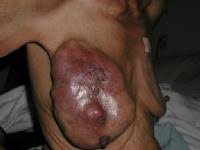
3,000 YEARS OF BREAST CANCER

Pre and Post Natal Exercises for the Active Woman - 6 Key Moves
Exercise during and following pregnancy may seem like a foreign concept to you, but it is an essential item on any active woman’s to-do list. During pregnancy, you may remain active with a doctor’s consent; however, strenuous postnatal exercise is not recommended for 6 weeks following the birth. Even though your regular cardiovascular and strength routine will have to wait, there are gentle exercises you can do immediately following the birth.
Following are 6 exercises for prenatal and postnatal women. These exercises are recommended for women with no known contraindications, and should be followed according to your own body cues.
1. The Kegel- both pre and post natal
Muscles- Pelvic Floor
Lying on the floor with your feet out in front of you and your knees bent, just relax and let your body weight sink into the ground. Imagine you are urinating, and then stop the flow of urine. Simply engage in a small contraction of the sphincter, and then a relaxation. You can do this exercise as a progression- start lightly, build your way up, hold, then slowly release. You may do this sitting up in a chair, or in any position that is comfortable. Build your way up to 2 sets of 30 each day.
2. The Bridge- pre natal
Muscles- Gluteus Maximus
Lying on the floor with your feet in front of you hip distance, and your knees bent, squeeze your buttocks and slowly raise your hips up off the floor. You may keep your arms down by your sides. Keep your belly pointed toward the ceiling, not dropping to your side. Hold on top for 5-10 seconds, then release back down to the floor. 2 sets of 15
3. The Cat Stretch- pre natal
Muscles- Up: strengthens abdominals, Down: stretches lower back
On all fours, take your hands under your shoulders and your knees hip width apart. Start with a neutral spine, keeping your head in line with your spine. Slowly roll your spine up toward the ceiling like a cat stretching. Think of pulling your abdomen in toward your spine. Slowly release down past your starting point and gently arch your back. 2 sets of 15
4. Ball Crunches- pre natal
Muscles- Abdominals
With an exercise ball propped against a wall, lean back on your ball until your buttocks are about 6 inches from the floor. Feet are on the floor in front of you about hip width apart. With your hands across your chest, and your chin tucked, slowly curl up, imagining your abdomen curling forward into a C shape. Exhale as you roll forward, inhale as you roll back slowly. You do not need to curl up very far. 2 sets of 15
5. Pelvic Tilt- post natal
Muscles- Abdominals
With your back flat against the floor and your knees bent, take your legs hip width apart and drop your arms by your sides. Take a deep breath in, and as you exhale, slowly roll your pelvis towards your shoulders, pressing your back deeper into the floor. Do not lift your hips up off the floor. Stabilize your abdominals as best as you can. Build up to 2 sets of 20
6. Belly Button to Floor- post natal
Muscles- Abdominals
With your back flat against the floor and your knees bent, take your legs hip width apart and drop your arms by your sides. Take a deep breath in, and as you exhale, think about drawing your belly button down to the floor. Relax, and then repeat. As you are doing this exercise, think about the belly flattening and compressing. You belly button should be pulling itself right down against your spine. 2 sets of 20
Nicole Palacios BSc, has been an integral part of the fitness industry for the past 11 years, working first as a group fitness instructor, and more recently as a personal trainer. She is certified through ACE and the BCRPA as a personal trainer, and is also a supervisor of fitness leaders. Her passions include fitness writing, weight training, and helping her clients pursue their fitness dreams.
Check out her website at http://www.perfectfit.ws, or contact by email at Nicole@perfectfit.ws
Article Source: http://EzineArticles.com/?expert=Nicole_Palacios
Reduce Your Depression With These Free Tips
In this article, I am going to explain methods on how to reduce depression. There are ever increasing daily pressures facing people and it is very easy to become down and depressed. I am a person who was often feeling low, sorry for myself and basically was very unhappy, however I have now managed to pull my life around and am now able to cope and enjoy what life brings. I hope you enjoy reading the article and if you are one of the many people who suffer from depression, I hope the advice is beneficial.
My name is Stephen Hill and I am from England. Looking back on my life, as I often do, I now find it hard to believe the way in which I used to think and approach life. I was a very negative person, I would stress about seemingly everything and believed that I was so unfortunate compared to other people.
I would always be comparing my life with those of my friends and family. These people seemed to really enjoy life and did not seem to have a care in the world. I, on the other hand had many issues to deal, with which made life one big struggle. I was unable to talk fluently due to a stammering problem, this stammer caused me many traumas and made me into a very quiet and shy person. This issue alone made me very depressed and made socialising very difficult. I am sure you can imagine the effect it had on my self-confidence and self-esteem.
These were the other issues I had to contend with:
A constant battle with my weight, I was far to over-weight most of the time, this I believe was because I sought comfort in the way of food.
My height, I was the shortest male in my class in high school, this for whatever reason made me feel less of a man and less attractive to members of the opposite sex.
My bald patch, this seems so trivial now, however this area of my scalp where hair does not grow caused me many anxieties, especially when I was a teenager.
Enough is enough.
In my early twenties, I decided that I had had enough of being miserable and depressed. I wanted to be happy and content. I then made a decision to attempt to improve my life, I was going to hopefully achieve this by reading about successful people, and by learning more about depression, positive thinking and ways to improve self-confidence. I spent many months doing this and the results have changed my whole life.
What I needed to do, was not to compare my life to people just in my circle, but to compare it to everyone in the world. I started to read and find out about how people lived in different parts of the world. Watching the news each day would keep me abreast of current affairs. Some of the stories and the way in which people live came not so much as a shock, but as a wake up call to me. I would not want to swap my life with theirs, that is for sure.
The problems that I had or thought I had, were now so small compared to what other people have to cope with, and it actually made me feel quite grateful. I have a weight problem, this is something of my own doing and something which I can change, if I am determined enough. Even though I stammer, I can still converse, I may even be able to cure the stammer, which I now have. I was now suddenly feeling more positive and was now able to seek solutions to my issues.
I have now achieved fluency and am now at a weight that I am happy with, however I could not do anything about my lack of height or about the bald patch. This is not a worry to me, as I am now happy with my height and I show everybody who I meet my bald patch, like I am proud of it.
In conclusion, it is time to pull ourselves out of our depression by becoming stronger, by thinking in a more positive manner, by trying to find solutions to our problems and by realising that in fact we are one of the lucky ones.
Stephen Hill helps to promote a number of websites including:
stop smoking cigarettes
anti aging tips
stuttering information
Article Source: http://EzineArticles.com/?expert=Steve_Hill
THE SYMPTOMS OF DEPRESSION
Depression is a complex of psychological and physical symptoms. Low mood level or sadness is often the most prominent symptom. The common property of these symptoms is a decreased activity level in parts of the brain.
THE SYMPTOMS OF DEPRESSION
Depression may give one or more of these symptoms:
-Low mood level or sadness.
-Lack of joy or interest in activities that were joyful before.
-Pessimism.
-Feel of guilt of something without any substantial reason to feel so.
-Inferiority thoughts.
-Irritability.
-Slowness in the thought process.
-Slowness in interpreting sensorial stimuli.
-Slowness of digestion or other internal physical processes, and symptoms caused by this slowness, for example inflated stomach, constipation or difficulties by urination.
-Slow physical reactions.
Depression can be a mild disease that only causes some annoyance in the daily life, but can also get very serious and make a person totally unable to work and unable to participate in social life. By depression of some severity, there is also a greater risk of suicide.
Depression can occur in all age classes. In teenagers lack of interest in school work, withdrawal from social life and difficult mood can be signs of depression.
THE PHYSIOLOGICAL CHANGES THAT PRODUCE THE SYMPTOMS
By depression there is a decreased amount of neurotransmitters in parts of the central nervous system, mainly deficiency of serotonin, but also to some extend of noradrenalin, acetylcholine, dopamine or gamma-amino-butyric acid (GABA), or the nerve cells do not react properly by stimulation from neurotransmitters. A neurotransmitter is a signal substance that transmits the nerve signal through the junctions between two nerve cells.
Serotonin and noradrenalin cause nerve cells to send impulses along to other nerve cells, and thus increase the activity in the brain. Deficiency of these substances causes slowness in parts of the brain, and that again causes the depressive symptoms.
The role of GABA is the opposite, namely to slow down some nerve impulses, mainly those causing anxiety and panic response. Lack of GABA causes higher anxiety and easier panic response. Yet, lack of this transmitter also seems to cause depressive symptoms. This is because a too high activity in some brain processes may slow down other processes.
There are many causes and subtypes of depression with different physiological mechanisms involved.
TYPES OF DEPRESSION
Depression is often divided into subtypes according to exhibited symptoms.
1. Mono-polar depression and dysthymic disorder
By mono-polar depression there are pure depressive symptoms. Mild cases of mono-polar disorder that do not affect a persons ability to work and to participate in social activities are often called dysthymic disorder.
2. Bipolar disorder (manic-depressive disease) and cyclothymic disorder
In this condition there are periods with symptoms of depression - the depressive phase, alternating with periods of elevated mood level with increased mental and physical activity - the manic phase. In the manic phase, the affected person also sleeps poorly and has concentration difficulties. A mild form of this disease is called cyclothymic disorder.
3. Manic disorder
This condition is characterized by abnormally elevated mood, by unrealistic optimism, by lack of sleep and by hyperactive behaviour. Many psychiatrists think that this disorder is simply the same disease as bipolar disorder where the depressive face has not yet occurred.
4. Depression with mainly physical symptoms
Sometimes the physical symptoms of depression are alone or dominant, as for example: Digestive problems, constipation, difficulties with urination, slow response to sensorial stimuli or slow physical reactions.
CAUSES OF DEPRESSION
Two or more factors can have an effect simultaneously to cause depression. Depression can be an independent disease, or a part of other disease. Depression is also divided into different subtypes according to cause.
1. Reactive depression
This disease is simply a result from psychological stress, physical struggle or mental straining without proper rest or sleep over a long time period. The straining will simply wear out the nervous system or deplete the organism from nutrient necessary for the nervous system to work properly.
2. Endogenous depression
When there has not been any period of stress, straining or lack of rest that can explain the condition, the condition is often called endogenous depression. Inheritance is thought to be a part of the cause.
3. Depression by physical disease
Depression or depressive symptoms may be a symptom of physical disease. This is perhaps the most common cause of depression.
Diseases often associated with depression are: Heart disease, Parkinson's disease, stroke, hypertension or Cushing's syndrome.
Mononucleosis or flu may trigger depression that continues after the infection has gone.
By lack of thyroid hormones, hypothyroidism, the metabolism in the whole body is slowed down, including the production of neurotransmitters in the brain. Therefore depression is an important symptom of hypothyroidism.
4. Depressive symptoms as a consequence of unsound lifestyle
A general unsound lifestyle with too less exercise, too much of stimulants like alcohol, coffee or tea, too less of important nutrient and too much of sugar and fat may give depressive symptoms, as well as physical problems.
5. Postnatal depression
Women will often have a period of depression after pregnancy and berth of the baby Pregnancy and berth is physically and mentally exhausting, and may drain the body for nutrient. This in turn can cause depressive symptoms
6. Seasonal affective disorder
Depression can occur in cold and dark periods of the year and go away in warm and light periods. Light stimulates brain activity, and lack of light is a causative factor.
TREATMENT OF DEPRESSION
Serious or prolonged depression is often treated with anti-depressive medication. Medicines used against depression generally increase the level of neurotransmitters like serotonin in the central nervous system, or they mimic the neurotransmitters.
The medications mostly used today increase the serotonin concentration by decreasing the removal of serotonin from the space around nerve cells. Examples of this medication type are: Fluoxetine (Prozac), fluvoxamine (Luvox), paroxetine (Paxil), escitalopram (Lexapro, Celexa), sentraline (zoloft).
By bipolar disorder in the manic face, heavy tranquilizers (neuroleptica) are used to stop the manic symptoms. By bipolar disorder, lithium salts are sometimes used to stabilize the condition, and prevent new outbreak of depressive or manic faces.
Psychotherapy is sometimes used by depression, usually in combination with medication.
Sometimes serious depression is treated by applying electric shock through the head, electroconvulsive therapy. The shock induces epileptic eruption of nerve signals through the brain and this gives cramps throughout the body. The cramps are alleviated or stopped by applying anaesthesia before the electroshock. This form of treatment is controversial, since it can cause memory loss and is suspected of causing brain damage. The possibility of brain damage is however denied by most psychiatrists.
By seasonal depression, light therapy maybe useful.
Adjustment of lifestyle should always be considered by depression or depressive symptoms. Lifestyle measures can sometimes be enough to cure depressive symptoms before a serious depression develop. Lifestyle adjustments can be:
- To slow down a stressful life with too much work or activities.
- Enough rest and sleep.
- A good diet with enough of necessary nutrients.
- Some physical exercise.
- Meditation.
- Supplement of vitamins, minerals, antioxidants, lecithin, amino acids and essential fatty acids.
- Stimulants like coffee or tea may help against depressive feelings in moderate amount. However, if you are a heavy user of these stimulants, you should cut down on your consumption.
There exist nutritional products in the marked to help against depressive symptoms. These contain ingredients that the brain uses as building blocks for neurotransmitters, for example amino acids and lecithin. They also often contain vitamins and minerals that the brain uses as tools to produce neurotransmitters, especially vitamin B6.
Supplements may further contain herbal extracts that trigger higher brain activity much like anti-depressive medications, but may have fewer side effects.
Knut Holt is an internet consultant and marketer focusing on health items. TO FIND natural supplements to help against serotonin deficiency, GABA deficiency, hypothyroidism, mental problems, acne, skin problems, heart disease, hemorrhoids, rheumatism, and other common health problems, PLEASE VISIT http://www.panteraconsulting.com/salg2.htm
----Free to reprint with the author's name and link.
Article Source: http://EzineArticles.com/?expert=Knut_Holt
THE SYMPTOMS OF DEPRESSION
Depression may give one or more of these symptoms:
-Low mood level or sadness.
-Lack of joy or interest in activities that were joyful before.
-Pessimism.
-Feel of guilt of something without any substantial reason to feel so.
-Inferiority thoughts.
-Irritability.
-Slowness in the thought process.
-Slowness in interpreting sensorial stimuli.
-Slowness of digestion or other internal physical processes, and symptoms caused by this slowness, for example inflated stomach, constipation or difficulties by urination.
-Slow physical reactions.
Depression can be a mild disease that only causes some annoyance in the daily life, but can also get very serious and make a person totally unable to work and unable to participate in social life. By depression of some severity, there is also a greater risk of suicide.
THE SYMPTOMS OF DEPRESSION
Depression may give one or more of these symptoms:
-Low mood level or sadness.
-Lack of joy or interest in activities that were joyful before.
-Pessimism.
-Feel of guilt of something without any substantial reason to feel so.
-Inferiority thoughts.
-Irritability.
-Slowness in the thought process.
-Slowness in interpreting sensorial stimuli.
-Slowness of digestion or other internal physical processes, and symptoms caused by this slowness, for example inflated stomach, constipation or difficulties by urination.
-Slow physical reactions.
Depression can be a mild disease that only causes some annoyance in the daily life, but can also get very serious and make a person totally unable to work and unable to participate in social life. By depression of some severity, there is also a greater risk of suicide.
Depression can occur in all age classes. In teenagers lack of interest
Why we need nipple protector?
Looking for nipple protector. To protect sore or cracked nipples during breast feeding
AVENT Nipple Protectors are made of paper thin, soft, odourless silicone and protect sore or cracked nipples during breastfeeding.
They are butterfly shaped to allow your baby more contact with your breast. Your baby can still feel and smell your skin and continue to stimulate your milk supply whilst suckling, and will return more easily to the breast once your nipples are healed.
Available in two sizes, small (with small nipple - ideal for small and premature babies) and standard. Contains: 2 Nipple Protectors.
Diaper rash
The soap you use, some brands of disposable diapers or simply dirty diapers can cause skin irritations. Most diaper rashes are provoked by skin irritations. The best way to treat this "disease" is to clean well the area and to let the skin get some air. You should also change the diapers often and use ointments with zinc oxide.
Baby Acne
Acne is very common among newborns. Usually it shows up after 2 or 3 weeks after birth and is present on cheeks, forehead and chin. Baby acne usually clears up on its own, but most parents make the mistake to use oil or lotions. All you need to do is gently cleanse the affected areas with water once a day. You can also use soft blue light when your baby is sleeping as a treatment.
Massage
Babies enjoy being massage. In fact is a very important part of their growth.
For you baby's skin the benefits are huge. The massage stimulates circulation, immune system and tactile sense. Use baby massage oil but pour it onto your palms. Be careful with the room's temperature (78 degrees Fahrenheit) and humidity.
Bathing
Proper bathing and skin care will maintain the baby's delicate skin healthy.
Newborns don't need bathing very often (2-4 times a week). Their skin can't get very dirty if you change their diapers frequently.Sponge baths are required at first. Until the baby's umbilical cord falls off, this area should be avoided to prevent infections. Use only cotton wool or soft washcloths and baby soap/shampoo. Products for adults may contain irritant substances or allergens.
Use these natural baby skin care tips to protect your baby's sensitive, new skin.
Characteristics of baby skin
It is essential to be very careful with your baby's skin care. In the first stages of our life, the skin is very delicate, fragile and thin. Baby's skin is different in functions and structure than the skin of an adult. It has high water content, allows low sweat production and the protection through sebum is almost inexistent.
The babies are very sensitive to temperature changes, unsuitable humidity or harmful and irritating substances. Consider using natural baby skin care products as they are more gentle for your baby's skin. But before you flash out your money, try to compare prices for natural baby skin care and shop around for the best deals first.
Lotions and oils?
Contrary to popular thought, the babies do not need lotions unless their skin is dry. Oils and lotions will not allow your baby's skin to sweat and can cause a rash or an allergic reaction. Powders should be avoided not only for the effect they have on the skin. Their tiny particles can provoke breathing troubles. If you have to use a powder put it in your hand and then apply it to the baby's skin.
Why go to antenatal classes?
Antenatal classes not only help you focus on your pregnancy and forthcoming labour and birth, but they also have a great social function — they're a great place to meet other parents-to-be. The content of the classes will vary, but should include some of the following:
• information about the process of labour and childbirth
• what-to-expect details of medical procedures and interventions
• the latest research suggestions about possible physical preparations for labour and childbirth
• advice on relaxation techniques
• the opportunity to learn about and experiment with different birth positions
• a guide to pain relief choices
• the chance to learn and try out massage skills and breathing techniques
• the time to ask questions and rehearse the possible decisions you may have to make during the course of your labour
• some indication of the changes you might experience after the birth and in early parenthood
Whatever the class, the idea is that both you and your partner will acquire the skills and confidence needed to make birth a positive experience.
What are antenatal classes?
Antenatal classes may come in various forms, but all have the same aim — to help prepare you for labour, birth, and early parenthood. Those run by midwives or at your local hospital are free, but you may have to pay for other types, such as NCT classes and The Active Birth Centre or aquanatal exercise classes.
You may find it helpful to go to more than one type of class. Just remember when attending classes other than those run by your hospital or health centre to check that the teacher has been properly trained.
All About Diapers
A lot of parents face the difficult problem of having to change their babies a few times a day. That's something natural and you should face this like a responsible person that you are because this is life. To master this thing might seem hard at the begging but after a while you'll notice that you get quite good at this .When you begin be sure you have near the diapers , cotton balls for sensitive skin , warm water and a pad to put under your baby.
Keep an eye on your baby all the time because they can fall and hurt them self. So let's begin: you should start by wiping from the front to the back and never the other way around because the baby is sensitive and may get infected from a bacterium. You should cover the boy because he may want to go because of the cold air. After the wiping is finished pat the baby with a clean washcloth.
For those parents that use disposable diapers they should keep in mind this: the open diaper should be slid under the baby slowly lifting his fear. The front of the diaper should reach all the way from the baby's legs onto his belly. Never stick the tape on his/her skin.
One of the traditional folding methods is the triangular fold. You have to form a triangle so you fold the diaper in half. You have to place the diaper under by lifting the baby legs. One of the sides should be brought over the baby in such a way that it overlaps the center part. The other site should be overlapped in the same way.
All the parts are now ready to be put together with a pin. With this is mind its time for the big challenge: testing all the theory on your baby! You'll see it's so easy and the big reward is a big smile on your lovely baby.
If you find this information useful you should visit the site http://baby-diaper.info where you will find lots of interesting articles related to this topic, all original and wrote by Michael Lastun.
Article Source: http://EzineArticles.com/?expert=Michael_Lastun
Healthy Breastfeeding - Tips for Practicing Proper Postnatal Nutrition
Proper postnatal nutrition for mothers is important to serve the essential needs of breastfeeding a newborn baby. Although breast milk is capable of fulfilling the nutritional needs of newborns on its own, there are a number of common concerns about nutrition that face breastfeeding mothers. This article will address proper caloric intake during breastfeeding, achieving safe and normal weight loss, mixing formula supplements and the questions about fluid intake.
One of the biggest questions on the mind of mothers is how many extra calories they should consume to compensate for the natural production and supply of breast milk. In most cases, a woman should be able to attain a reasonable caloric intake by simply following their appetite. It is not unusual for a baby nursing to make mothers feel hungry more frequently than normal. Calorie counting may be necessary in your particular situation. If you are counting calories, remember that research indicates that a daily intake of eighteen to twenty-two hundred calories will allow you a sufficient supply of breast milk. A breast feeding mother will require between three and five hundred more calories after pregnancy than she did while carrying her child.
Each mother's individual need for calories will vary. Your level of exercise, prior nutritional status and body weight will all affect the number of additional calories you need. Some mothers feel the need to begin the process of losing weight during the first weeks following a pregnancy. While weight loss is a reasonable concern, studies show that mothers who are both breastfeeding and consuming fewer calories actually lose more weight when their child is three to six months old. In order to allow your body to properly recover from childbirth, you should give yourself at least two months before attempting to lose weight.
Weight loss during the first two months is accomplished normally by simply eating a diet that satisfies hunger. After two months you can raise your level of activity by walking a half an hour each day. With proper dieting and physical activity it is reasonable to achieve the gradual loss of about a pound a week. Always consult your pediatrician before undertaking any form of weight loss strategy, as it could affect your child.
Another concern for mothers who breastfeed is whether it is necessary to force fluids in the weeks following childbirth. Just as maintaining a healthy diet requires eating to hunger, fluid intake should be at a level that it comfortably satisfies your thirst. By paying attention to your body, you will know when it is appropriate to drink fluids. One recommendation by breast feeding experts is that mothers keep water or some other fluid nearby at all times. This helps prevent you from ignoring thirst should it arise at an inconvenient time.
There are advantages to mixing breast milk with baby formula. Mixing allows you to both increase the supply of breast milk on hand and also supplement the natural immunological benefits of breast milk.
The best way to artificially express breast milk safely is with a breast pump. Breast pumps are helpful for a number of reasons. First, they can help ensure that you keep an adequate supply of milk available for your child when you are separated from him or her. They also give your nipples a chance to rest if they have become sore from normal nursing of your baby. It is important to choose a quality electric breast pump with a double pump kit to ensure that you have all the tools you need for expressing milk for a baby formula supplement.
In the end, your first line of defense in the world of breastfeeding nutrition is simply listening to your body and acting when you realize you are either hungry or thirsty. Weight loss should be achieved gradually at first and is more effective three to six months after your baby is born. Supplementing your breast milk with baby formula is an acceptable method of keeping your baby healthy, but it may require the use of a breast feeding pump. By practicing tips for proper postnatal nutrition you can help ensure that you and your child will successfully enjoy the loving connection that results from breastfeeding.
(c) 2005 NaturalNursing.com
Clara Parks is a former nurse practitioner, mother of three and author of articles written for Natural Nursing. Natural Nursing provides postnatal mothers breastfeeding information and support.
Article Source: http://EzineArticles.com/?expert=Clara_Parks
Breast Feeding - Frequently Asked Questions
Breast-feeding is one of the most natural things in the world. Many women have questions about breast-feeding. There are myths and facts about breast-feeding. These will be discussed in the list of questions and answers provided below.
Q. What are some myths about breast-feeding?
There are many myths about breast feeding such, as you cannot take any medication while breastfeeding. Most medications are safe for you but you should check with your doctor first. A breast-feeding mother with an infection should not be breast-feeding. Actually she should continue because her milk provides the baby with help to resist infections. If s/he does become ill, it will not be severe.
Q. What are some problems that can occur with breast-feeding?
Some women may not be able to produce enough milk. Others produce too much milk, too quickly and this can cause engorgement. Expressing some of the milk may relieve some of the pain.
Q. Are there things I should avoid while breastfeeding?
You should avoid alcoholic drinks as the alcohol does pass through to the baby and it can affect the baby’s weight and central nervous system. If you drink only occasionally, make sure you do it after you nurse. This means that alcohol level will be lower or gone before the next feeding. Avoid spicy or gassy foods as these can upset your baby’s delicate tummy.
Q. What is Thrush?
Thrush is a yeast infection in the baby’s mouth that looks like little white patches on their tongue and the inside of the cheeks. Mom can continue to breast feed as long as both she and the baby are treated with a medication.
Q. Can I breast-feed while taking medication?
Yes you can breast feed while taking medication. Be sure before you take anything that you check with your doctor first to be on the safe side. Most medications are safe but it’s better to err on the side of caution.
Q. Can just any woman breast-feed?
Yes any woman can breast feed provided that she hasn’t had breast surgery that has affected the milk ducts. The size of her breasts does not affect breast-feeding.
Q. What is Milk Fever?
This is an outdated term that referred to plugged milk ducts. In fact, if you have a fever you have Mastitis not Milk Fever that is a misnomer.
Q. Can my baby be allergic to my breast milk?
It is highly unlikely that your baby can become allergic to breast milk. Talk to your pediatrician to see what he might suggest. You might need to take your baby to a gastro-enterologist for testing but continue breast-feeding unless you are told to stop.
Q. Can breast feeding mother drink caffeinated beverages?
Yes coffees, teas, and soda are okay but in limited amounts. The caffeine does pass through your milk to the baby. It can make your baby restless and fussy.
Q. Can I drink carbonated beverages while breast-feeding?
In moderation carbonated beverages are okay in limited amounts. Two a day should not affect your baby. The concern is the large amounts of phosphorous that are in carbonated beverage and this is for all women; it may decrease the amount of calcium you will be able to absorb.
Q. What can I do if my baby refuses to breast-feed?
If your baby refuses to breast feed you can try feeding him while he’s asleep or very sleepy. You can try varying positions while you are feeding. You could also try breast feeding your baby while in motion, for example rocking, walking, or riding in the car.
Q. Can I lose weight safely while I am breast-feeding?
While you are breast-feeding don’t worry too much about losing weight. It is important that you east a very healthy diet in order to maintain your milk supply. Check with your doctor as s/he might have helpful hints for you.
Q. Can Diabetic mothers breast-feed their babies?
Yes, Diabetic mothers can breast feed. After birth babies of Diabetic mothers must be monitored for low blood sugar, a high hematocrit, and possibly low calcium. Pumping their breasts as soon after birth as possible to help bring in their milk supply. This will make it easier for their babies to learn how to nurse.
Q. What are some of the benefits of breastfeeding for my baby and me?
The benefits of breast feeding for women is that the risk of breast and ovarian cancer is reduced, it helps you to lose some of the pregnancy weight and may lower the risk of osteoporosis. Another benefit is it saves money on formula and bottles. The benefits of breast feeding for babies is that their mothers milk protects them from allergens and eczema, reduces stomach upset, and lessens the incidence of SIDS. It also protects the baby from such diseases as Spinal Meningitis, Type I Diabetes, and Hodgkin's Lymphoma. There is also some suggestion it may help prevent obesity later in life.
In Conclusion
The information given here is just a fraction of what is available out there. You search the Internet or talk to your doctor and/or hospital for more specific information regarding breast-feeding and options that may be unique for you. The choice is up to you and you know what would be right for you and your baby.
(c) www.1st-babies.com
Reprint Rights feel free to publish this article on your website but you must agree to leave all active links contained within 'About The Author' intact and "as is" and NOT hidden behind a java or redirect script.
About the Author
Martin Smith is a successful freelance writer providing advice for consumers on purchasing a variety of Nursery Bedding which includes Baby strollers, Baby car seats, and more! His numerous articles provide a wonderfully researched resource of interesting and relevant information.
Article Source: http://EzineArticles.com/?expert=Martin_Smith
Diabetes: Breast-feeding May Help Babies and Women Against Diabetes
Babies and women may be protected against developing diabetes disease through breast feeding, according to new research. This current study states that the longer women nursed, the lower their risks of developing diabetes.
Diabetes as a medical disorder characterized by varying or persistent elevated blood sugar levels, especially due to eating, is a serious disease which symptoms are very similar for all types of diabetes.
Breast feeding is when a woman feeds a baby or a young child with milk produced from her breasts. The best thing for feeding a baby is breast milk, as experts say, if the mother does not have transmissible infections.
Although study findings are not conclusive, researchers explain that breast-feeding may change metabolism of mothers which may help keep blood sugar levels stable and make the body more sensitive to the blood sugar-regulating hormone insulin.
This theory is based on some evidence that show that in rats and humans that are breast-feeding, mothers have lower blood-sugar levels than those who did not breast-feed.
According to the study published in the Journal of the American Medical Association, women who breast-fed for at least one year were about 15 per cent less likely to develop diabetes type 2 than those who never breast-fed. For each additional year of breast-feeding, there was an additional 15 per cent decreased risk.
A total of 157,000 nurses participated in the new study. They answered periodic health questionnaires and were followed for at least 12 years. During the study, 6,277 participants developed type 2 diabetes.
Article written by Hector Milla editor of http://www.mydiabetessupply.com, a website about diabetes testing supply, or you may read their last article: Diabetes: High Blood Sugar Symptoms at http://www.mydiabetessupply.com/1/diabetes-high-blood-sugar-symptoms.html Thanks for using this diabetes article in your website or ezine keeping a live link.
Article Source: http://EzineArticles.com/?expert=Hector_Milla
Breast enlargement Methods
Most people have heard of breast implants for breast enlargement. This is becoming an increasingly accepted procedure, and many women are happy with the results. However, there are several disadvantages to breast enlargement surgery. As with any surgical procedure, there is pain and scarring. You may need recovery time before resuming daily activies. In addition, there are always risks associated with surgery. Often the cost of performing surgical breast enlargement is too high.
For those who want breast enlargement but don't want implants, there are other options to consider. Some natural breast enlargement methods use creams or pills. Other breast enlargement methods utilize herbal remedies or non-surgical devices. For those who want breast enlargement without surgery, these are all options worth looking into.
Individuals desire breast enlargement for a variety of reasons. One common reason is to look better. Feeling good about your looks can build self-confidence. Breast enlargement can help if you are uncomfortable with your breast size, but it isn't a total answer to low self-esteem. Usually the people happiest with breast enlargement are those who already feel good about themselves. Breast enlargement works well with those who are seeking to improve themselves physically in just this one area. If you have other issues with self-esteem, breast enlargement will not solve all your problems.
If you think that breast enlargement would help you to feel better about yourself, it is worth looking into. Check out all the options, including natural breast enlargement methods. You might be glad you did.
Enhance Breast PUERARIAN Breast Cream Increase Size & Beauty Your Bust Feeling Full & Firm by using PUERARIAN Breast Cream This amazing cream is excellent for breast firming and enlargement. Various studies confirmed that this product has a high success for enhancing women breast. All Skin Type
Ingredients: Pueraria Mirifica and other herb extracts
Direction: Use once in the morning and in the night. Apply onto breast area and massage for 3-5 minutes until it is fully absorbed.
Precautions: Not recommended for pregnant women, feeding mothers or women diagnosed with medical conditions of the breast.
To Free Natural breast enlargement BREAST SPRAY $ 40 at http://www.breastcreamshop.com/
About the Author
Wirat M. is the webmaster of the natural breast enlargement , enhancement and healthcare product review and advice website To Free BREAST SPRAY $ 40 at http://www.breastcreamshop.com
Breastfeeding a Colicky Baby - How Can a Mom Stop the Pain?
Many women choose to breast feed because the "breast is best" however there are other mothers that breastfeed as well simply to avoid a colicky baby. Unfortunately, it does not work this way and colic is an equal opportunity condition that affects babies that are breast fed, bottle fed, and those that are fed both. However, there are a variety of things you can do to help soothe your baby's colic and reduce the pain.
Colic is not a condition that is well understood and while there are many natural and conventional remedies for this condition they are not all the right treatment for every baby. As a result, many parents try many things, sometimes to no avail, to help stop the pain of colic and have a happy and healthy baby. Regardless, as a breastfeeding mom you should keep trying remedies that might help your baby's colic until you find the right one or until your baby outgrows the colic stage. There are some things you can do as a mom as well that will possibly help.
Unfortunately, many moms that breastfeed don't burp their baby as much as needed simply because they mistakenly believe their baby is not getting too much air because they aren't' being bottle fed. This is not the case at all as breast fed babies also eat too quickly and gulp air as well. Since this air ends up in the intestines and is frequently blamed for colic pain you should burp your baby before breastfeeding and then after feeding on each breast and intermittently in between if it seems appropriate.
Another tip that breastfeeding moms should try when their baby is colicky is to reduce the amount of dairy products consumed. This might seem odd, but many babies have an allergy or sensitivity to milk proteins that are passed from the mother to the child through breast milk. As a result, if you eat a lot of dairy products and have a colicky baby stop eating diary for a few weeks and see how your baby responds. There is a big chance it will help out considerably. Another suggestion is to stop consuming large amounts of caffeine because this is transmitted to the baby through the breast milk and most babies that ingest caffeine become irritable to say the least.
You should also hold a colicky baby under four months of age in order to soothe their discomfort from colic. This is because it has been proven that babies held more than three hours a day suffer less from colic than babies that are not held. Also, you won't be spoiling your baby if he is less than 4 months of age so hold them as long as you would like to relieve their pain and help the whole family feel better.
Colic can be difficult for mother and baby and the stress it causes frequently makes the situation worse. This is because nobody is getting any rest and the mother is still recovering from delivery not to mention raging hormones and trying to figure out how to care for a new life. Obviously, it can take a little getting used to not to mention be overwhelming at first. So, if you are a new mom with a colicky baby do your best to relax and let all those friends and family members help while they are still offering! You will love the time to decompress and regenerate and your baby will benefit because you won't be as stressed and the baby will feel this and not have as much colic. Remember, breastfeeding is one of the best things you can do for your child and you should continue doing it as long as possible. You will develop a stronger relationship with your baby and probably feel more relaxed as well as long as you have made the above changes and your baby's colic has been resolved as a result.
About the Author
Vickie Barnes is a colic veteran of two colicky babies. Please visit her website ColicHelp.com, for more support and resources for dealing with colic.
